The dangers of credit card debt and how to avoid them
Credit card debt poses serious risks including high interest rates and damaging credit scores. Understanding these dangers is crucial for maintaining financial health. By implementing effective strategies like budgeting, responsible usage, and prioritizing debt repayment, individuals can avoid the pitfalls of credit card debt and secure a stable financial future.
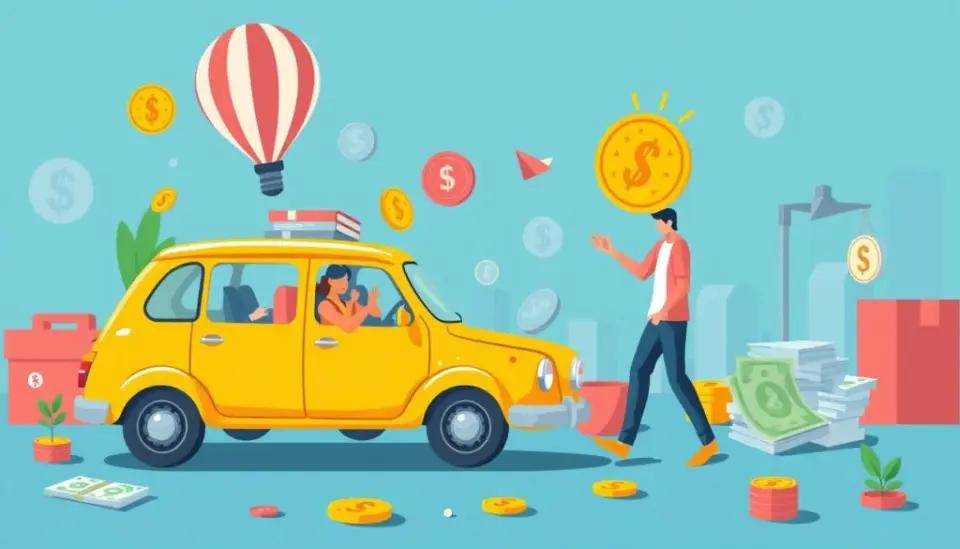
Understanding the Dangers of Credit Card Debt
Credit card debt can quickly spiral out of control, impacting your financial wellness and mental health. For many Canadians, the allure of credit cards is undeniable, with their ease of use and rewards programs. However, it’s essential to recognize the inherent risks that come with frequent credit card usage, as they can undermine your financial stability.
Common Dangers of Credit Card Debt
- High Interest Rates: Most credit cards charge high interest rates, often ranging from 19% to over 29% in Canada. This can lead to a hefty sum when balances carry over month to month. For example, if you have a balance of $1,000 and an annual interest rate of 20%, you might end up paying over $200 in interest if it takes you a year to pay it off.
- Debt Cycle: Many individuals fall into the trap of using credit cards for everyday expenses. When you continuously borrow to meet your needs, such as groceries or gas, it becomes a vicious cycle. You might pay your bill each month, but if you’re continually adding to that balance, it will never reach zero. For instance, if you only pay the minimum payment on a card with a balance of $500, it could take years to pay off, all while accruing interest.
- Credit Score Damage: Using too much of your available credit can negatively impact your credit score. This high credit utilization ratio, typically over 30%, signals potential risk to lenders. In Canada, a lower credit score could mean higher interest rates or even being denied for future loans, making it critical to maintain a healthy credit utilization.
Effective Strategies for Managing Credit Wisely
Fortunately, there are effective methods to not only avoid falling into debt but also to manage your credit effectively in Canada.
- Create a Budget: Establishing a clear monthly budget is essential for tracking your income and expenses. By knowing how much you can afford to spend—and sticking to it—you can avoid unnecessary credit card use. Use budgeting apps like Mint or YNAB to help you stay organized.
- Pay on Time: Always make payments by their due date. Missing a payment can not only result in late fees but may also increase your interest rates. Setting up automatic payments or reminders can assist in ensuring timely payments.
- Use Credit Responsibly: Limit yourself to one or two credit cards, and only charge what you can afford to pay in full each month. This way, you will build a good credit history without racking up debt. For instance, using a rewards credit card for planned purchases and paying it off each month can translate into benefits while maintaining responsibility.
Conclusion
By educating yourself about the potential pitfalls of credit card debt and practicing smart credit habits, you can enjoy the benefits of credit cards without falling into the trap of debt. Remember, a small amount of informed planning can lead to long-term financial health and peace of mind. Take charge of your credit today and secure a brighter financial future.
The Financial Pitfalls of Credit Card Debt
The consequences of unchecked credit card debt can be severe and long-lasting. Individuals who find themselves in this situation often experience a range of challenges that can lead to financial distress and emotional strain. Understanding these financial pitfalls is a crucial step toward managing credit effectively and ensuring a healthy financial future.
Understanding the True Cost of Credit Card Debt
One of the most alarming factors of credit card debt is the compound interest that can accumulate. When you carry a balance on your credit card, interest compounds daily. This means that not only are you paying interest on the original amount borrowed, but also on the interest that has already accrued. For many, this can feel like attempting to climb a mountain without the right gear—a steep and daunting task.
- Example: If you have a credit card balance of $2,000 with an interest rate of 22%, and you only make the minimum payment of $50 per month, it could take you over 4 years to pay off that debt—costing you more than $900 in interest alone. You may think that you are managing your payments, but in reality, you are only prolonging your financial burden.
- The Emotional Toll: The stress of mounting debt can take a significant toll on mental health. Many individuals report feeling anxious, overwhelmed, and trapped as they struggle to manage their payments. This emotional burden can sometimes lead to avoidance behaviors, further exacerbating the problem.
- Living Beyond Means: Credit cards can create a false sense of financial security, tempting individuals to spend beyond their means. While it’s easy to swipe a card for immediate gratification, the reality of repayment can lead to financial strain down the road.
The Impact on Future Financial Opportunities
Credit card debt doesn’t just affect your current situation; it can also have lasting effects on your financial future. Borrowers with high credit card debts are often at risk of higher borrowing costs for future loans, such as mortgages or car loans. Lenders assess your creditworthiness based on your credit score, which can dramatically decrease with excessive credit usage. A lower score often results in higher interest rates, making major purchases more expensive and sometimes unattainable.
A good credit score not only affects your borrowing costs but can also impact your ability to secure rental agreements or even regain employment in certain sectors where financial responsibility is scrutinized. It’s essential to recognize that accumulating debt today can inhibit your future financial freedom.
Empowering Yourself to Overcome Debt
With a clearer understanding of the dangers of credit card debt, you can take proactive measures to avoid falling into this trap. Instead of spending blindly, consider using tools and strategies that promote financial awareness and responsibility. By implementing sound financial practices and educating yourself, you can break the cycle of credit card dependency and build a secure financial future.
Strategies to Avoid the Credit Card Debt Trap
Understanding the dangers of credit card debt is just the first step; knowing how to prevent it is essential for maintaining financial health. By adopting certain strategies, individuals can avoid falling into the pitfalls associated with credit card overuse. Here are some effective approaches that can help you keep your finances on track.
Establish a Realistic Budget
Creating a detailed budget is a foundational step to maintain control over your spending. Take the time to analyze your income and expenses, and allocate funds accordingly. Be sure to include all necessary expenses, such as rent, utilities, groceries, and transportation. Once you have a comprehensive view of your financial landscape, you can allocate a specific amount for discretionary spending.
- Use the 50/30/20 Rule: One effective budgeting method is the 50/30/20 rule, where 50% of your income goes toward needs, 30% toward wants, and 20% toward savings and debt repayment. Following this framework can keep your spending in check and help avoid unnecessary credit card use.
- Track Your Expenses: Utilize budgeting apps that allow you to track your transactions. This visibility can help you identify spending triggers and rectify impulsive behavior before it leads to debt accumulation.
Limit Credit Card Usage
While credit cards offer convenience, it is essential to limit their use. Consider using your credit card only for budgeted expenses or emergencies. By controlling where and when you use your card, you can develop healthier spending habits.
- Leave Your Cards at Home: One effective approach is to leave your credit cards at home when going out, especially on shopping trips. This tactic can help curb impulse purchases, prompting you to rely on cash or debit for necessary expenses.
- Set a Spending Limit: Decide beforehand how much you are willing to spend on your credit card each month. Once you’ve reached that limit, refrain from additional purchases. This self-imposed cap promotes discipline and avoids overspending.
Prioritize Debt Repayment
If you already find yourself in credit card debt, taking immediate action is vital. Establish a plan to tackle your debt head-on, as procrastination could exacerbate the situation due to accumulating interest.
- The Snowball Method: This method involves listing your debts from smallest to largest and focusing on paying off the smallest balance first. By achieving small victories rapidly, you create momentum that motivates you to eliminate larger debts over time.
- The Avalanche Method: Conversely, if you prefer to save on interest, consider addressing debts with the highest interest rates first. This method minimizes the overall interest paid and reduces the time taken to become debt-free.
Seek Professional Help When Needed
Sometimes, taking on credit card debt alone can feel overwhelming. If you find yourself struggling to manage your payments or create a plan, consider reaching out to a financial advisor or credit counseling service. Many organizations offer free or low-cost resources to assist individuals in improving their financial skills and navigating debt. Seeking assistance can provide you with valuable insight and support to regain control over your financial situation.
By implementing these strategies, you can create a sustainable financial approach that minimizes the risks associated with credit card debt. Awareness and proactive management are essential components in maintaining both mental and emotional well-being when it comes to your finances.
Conclusion
Credit card debt, while often seen as a convenient financial tool, poses serious dangers that can affect both your financial stability and mental well-being. Understanding the risks, such as high-interest rates and the potential for spiraling debt, is crucial in today’s consumer-driven society. However, by embracing effective financial habits and strategies, it is possible to navigate the pitfalls of credit card use.
A comprehensive approach, including creating a realistic budget, limiting credit card usage, prioritizing debt repayment, and seeking professional help when needed, offers a resilient framework for financial management. Utilizing tools like the 50/30/20 rule and expenditure tracking apps can make a significant difference in maintaining discipline over your spending habits. Additionally, employing methods like the Snowball or Avalanche strategies for debt repayment can provide structured paths toward achieving a credit-free status.
As you take control of your financial journey, remember that discipline and education are your strongest allies. Start small, apply these strategies consistently, and gradually transform your relationship with credit. This proactive and informed approach will not only help you evade the dangers of credit card debt but also pave the way for a more confident and sustainable financial future in Canada. Your financial health is in your hands, so take charge today!
 Credit Cards and Rewards: How to Maximize Your Earnings on Daily Purchases
 Impact of Letters of Credit on Financial Health: How to Avoid Indebtedness
 Understanding the Fees: What You Need to Know Before Choosing a Credit Card in Canada
 Emerging Trends in Credit Cards: What to Expect in 2024 and Beyond