Strategies to Reduce Debt: Steps for a Healthy Financial Life in 2024
Discover effective strategies to manage and reduce debt for a healthier financial life in 2024. Learn to create a budget, prioritize payments, and consider debt consolidation. Set clear financial goals and build an emergency fund to stabilize your finances. Achieve financial freedom through disciplined practices and informed decision-making.
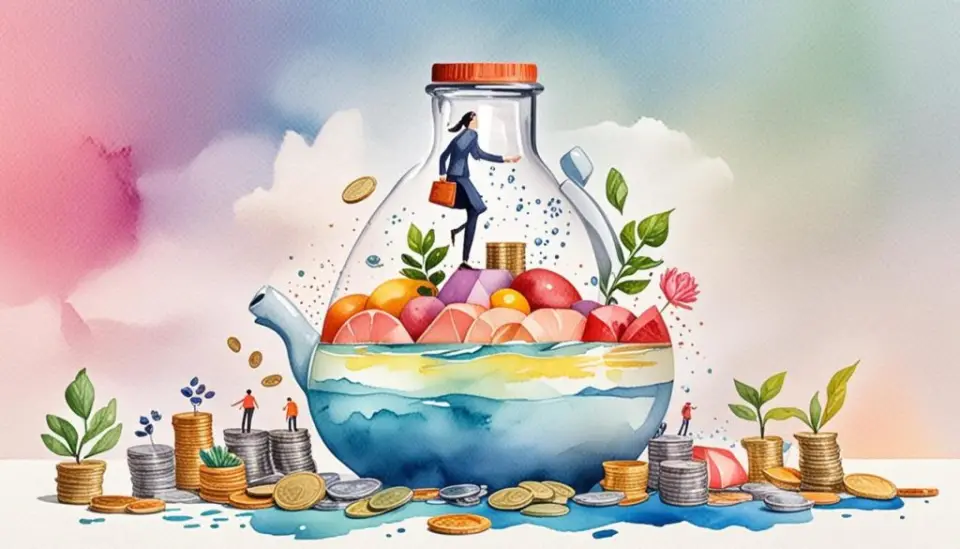
Understanding Debt Management
Debt can often feel like a heavy burden, but taking control of your financial situation is not just possible—it’s essential. For many Canadians, managing various forms of debt, such as credit cards, student loans, and personal loans, can seem daunting, especially with the rising cost of living. However, by adopting effective strategies, you can regain your financial footing and work towards a debt-free life.
Create a Budget
A well-structured budget is foundational for effective financial management. It involves a detailed outline of your monthly income against your expenses. Begin by listing all sources of income, such as your salary, side jobs, and any government assistance you may receive. Then, categorize your expenses into fixed (like rent or mortgage) and variable (such as groceries or entertainment). By clearly seeing where your money goes, you can identify non-essential expenses and discover areas where you can cut back.
For instance, if you notice that you’re spending a substantial amount on dining out, consider preparing more meals at home. Cooking not only saves money, but it can also be a rewarding activity. By making conscious spending decisions, you can free up more money to allocate towards paying off your debts.
Prioritize Debt Payments
Once your budget is established, the next step is to prioritize debt payments. Focus on paying off high-interest debts first, such as credit cards, which can often have interest rates exceeding 20%. By tackling these high-interest obligations, you can prevent additional charges from piling on and worsening your overall financial situation.
A practical method to manage this is the avalanche method, where you make minimum payments on all debts except for the one with the highest interest rate. Redirect any extra cash towards that debt until it’s paid off, then move onto the next highest interest debt. This not only minimizes the amount of interest you pay but can also accelerate your path toward becoming debt-free.
Consider Debt Consolidation
If you are juggling multiple debts and finding it hard to keep track of due dates and amounts, debt consolidation might be a viable option for you. This process involves combining several debts into a single loan, which can make payments simpler and might enable you to secure a lower interest rate.
For example, if you have several credit card debts, you could consider a personal loan with a lower interest rate to pay them off. This way, you’d only have one monthly payment to manage, which makes budgeting easier. Additionally, many Canadian financial institutions offer debt consolidation programs tailored to meet the needs of individuals struggling with debt. Researching these options can provide you with a clearer path to financial recovery.
By following these steps—creating a detailed budget, prioritizing debts, and considering consolidation—you can take significant strides towards managing and ultimately eliminating your debt. Each action you take brings you closer to financial stability, allowing you to live more freely and without the constant worry of financial burdens.
Building a Solid Foundation for Financial Health
As you embark on the journey to reduce your debt, understanding the key strategies available to you can empower your decision-making. Reducing debt isn’t merely about cutting back on spending; it’s about adopting a complete financial strategy that promotes long-term stability. Below are some essential steps to guide you in gaining financial freedom in 2024.
Set Clear Financial Goals
A crucial first step in your debt reduction journey is to set clear financial goals. This involves determining both short-term and long-term objectives. Short-term goals might include paying off a specific credit card or reducing the balance on a personal loan, while long-term goals could focus on becoming completely debt-free or saving for a house.
- SMART Goals: Use the SMART criteria—Specific, Measurable, Achievable, Relevant, and Time-bound—to create effective goals. For example, rather than saying “I want to pay off my debt,” you might say, “I will pay off my $2,000 credit card debt within six months.”
- Track Your Progress: Regularly monitor your progress toward these goals. Using a spreadsheet or a budgeting app can help you visualize your achievements and motivate you to keep going.
Build an Emergency Fund
Before aggressively tackling debt, it’s advisable to establish a small emergency fund to cover unexpected expenses. This fund acts as a financial buffer, preventing you from incurring additional debt in case of emergencies like car repairs or medical bills. Aim to save at least $1,000 initially or enough to cover your deductible for insurance claims.
Having this safety net allows you to divert financial resources toward debt repayment without the fear of financial setbacks. You can gradually build this fund into three to six months’ worth of living expenses as your debt situation improves.
Explore Income-Boosting Opportunities
Another effective strategy to combat debt is to explore income-boosting opportunities, whether through side jobs or advanced career strategies. Increasing your income provides additional cash flow that can be directed towards existing debts. Here are a few ideas:
- Freelancing or Part-Time Work: Utilize your skills or passions to earn extra money on the side. Platforms like Upwork or Fiverr can offer good opportunities for freelancers.
- Sell Unused Items: Conduct a thorough decluttering of your belongings. Selling items you no longer need can raise extra funds to chip away at your debt.
- Ask for a Raise: If you feel comfortable, consider discussing your current salary with your employer. Be prepared to demonstrate your value and contributions to secure a possible increase.
By implementing these strategies—setting financial goals, building an emergency fund, and boosting your income—you can take actionable steps toward reducing your debt. Each of these actions plays a pivotal role in creating a healthy financial life, enabling you to approach 2024 with confidence and purpose. Remember, the journey to financial stability requires patience and persistence, but every effort leads to progress.
Implementing Effective Debt Reduction Techniques
Having established financial goals, an emergency fund, and additional sources of income, it’s essential to focus on methods that directly address your existing debt. Implementing structured debt reduction techniques can significantly enhance your ability to manage and overcome financial burdens. Here are some tried-and-true strategies to consider:
Prioritize Your Debts
One effective approach to managing your debt is to prioritize your debts based on either interest rates or balances. This can be done through two main methods:
- The Avalanche Method: This method involves paying off debts with the highest interest rates first. For instance, if you have student loans at a higher interest rate compared to a personal loan, direct your extra payments toward the student loans while making minimum payments on the rest. Over time, this saves you money on interest payments and accelerates your debt reduction.
- The Snowball Method: Alternatively, you can focus on paying off the smallest balances first. This approach can provide psychological benefits by giving you quick wins. For example, if you have three credit cards with differing balances, start by paying off the one with the smallest amount. Once it’s paid off, move to the next smallest. The sense of accomplishment can keep you motivated.
Negotiate Lower Interest Rates
Don’t hesitate to negotiate lower interest rates on your debts. Contact your lenders or creditors and discuss the possibility of reducing your interest rates, especially if you have a good payment history. Here are a few tips for successful negotiation:
- Do Your Research: Before calling, check what rates are being offered by competitors. This information can help you make a strong case for a rate adjustment.
- Be Polite and Persistent: Approach the conversation with a courteous tone. While you may hear “no” initially, persistence can sometimes yield a better deal over time.
Consider Debt Consolidation
If managing multiple debts becomes overwhelming, debt consolidation may be an option worth exploring. This involves combining several high-interest debts into a single loan with a lower interest rate, simplifying payments and potentially reducing the total interest paid. Here are a few options for debt consolidation:
- Personal Loans: Many banks and credit unions offer personal loans that can be used to consolidate debts. Make sure to compare rates and terms to find the best option.
- Balance Transfer Credit Cards: Look for credit cards that offer promotional 0% APR on balance transfers. This can provide you a break from interest payments while you focus on paying down the debt. However, be aware of transfer fees that may apply.
Use a Budgeting System
An effective budgeting system is crucial for maintaining control over your finances as you work to eliminate debt. By creating a detailed budget, you can allocate dedicated amounts toward debt repayment, living expenses, and savings. Here are some budgeting techniques you may find useful:
- Zero-Based Budgeting: This method assigns every dollar a job, ensuring that your income minus expenses equals zero at the end of the month. This will help you see where you can cut back and where you can allocate more towards debt repayment.
- Envelope System: This technique involves allocating cash for various spending categories in envelopes. Once the cash is gone, you can’t spend any more in that category, which can help control overspending.
By prioritizing your debts, negotiating lower interest rates, considering debt consolidation, and employing a budgeting system, you can take significant steps in your quest for a debt-free life. Implementing these practical strategies will not only relieve financial stress but will also allow you to create a sustainable path toward a more secure financial future as we move further into 2024.
Conclusion
As we step into 2024, the importance of managing and reducing debt cannot be overstated. The journey towards a healthier financial life involves understanding that debt does not have to be an insurmountable burden. By employing effective strategies such as prioritizing debts, negotiating for lower interest rates, considering debt consolidation, and using a structured budgeting system, individuals can gain control over their financial situations.
Recognizing your financial habits and actively working towards improvement can dramatically change your financial landscape. Rather than viewing debt repayment as merely a chore, consider it an empowering step toward financial freedom. For example, managing your priorities effectively can lighten emotional stress, while small victories, like paying off a credit card, boost motivation. Remember that negotiating with creditors is not just feasible; it’s often expected. Lenders appreciate clients who take initiative about their debt, which can lead to better rates and terms.
Ultimately, the key lies in inserting discipline into your financial practices and consistently tracking your progress. Celebrate successes, bigger or smaller; they pave the way for a more sustainable and debt-free future. By following these guidelines, you can foster a sense of security and confidence in your financial decision-making. Embrace these strategies, and look forward to a healthier financial life in 2024 and beyond.
 Investing in real estate: What to consider before buying your first home in Canada
 How to Create an Effective Budget for Your Lifestyle in Canada
 The importance of an emergency fund: How and how much to save for financial surprises in Canada
 Retirement Savings Strategies: How to Prepare Financially for the Future