Payment Strategies: How to Avoid High Interest on Credit Cards
Effective payment strategies can help you avoid high interest on credit cards, protecting your finances and enhancing your credit health. By understanding credit interest rates, prioritizing payments, and utilizing balance transfers, you can minimize debt burdens and cultivate better financial habits, ultimately achieving your financial goals.
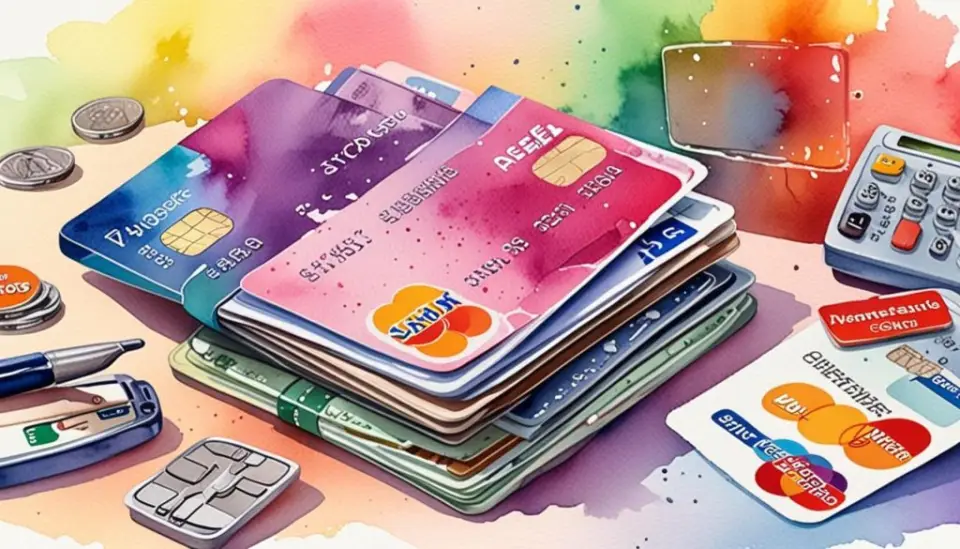
Understanding Credit Card Interest
Choosing the right payment strategy can significantly impact your financial health. High interest rates on credit cards are a common pitfall that can derail even the most disciplined budgeting efforts. By implementing effective payment strategies, you can protect your finances and reduce the amount you pay over time. Understanding the nuances of credit card interest is crucial for making informed financial decisions.
Why High Interest Rates Matter
Credit card interest rates in Canada can range from 12% to upwards of 30%. This variability emphasizes the importance of managing your payments wisely. Here are key reasons to avoid high interest:
- Increased Debt Burden: High interest compounds quickly, making it harder to pay off the balance. For instance, if you carry a balance of $5,000 on a card with a 20% interest rate, you could incur approximately $1,000 in interest over a year if only paying the minimum.
- Longer Repayment Period: Higher rates extend the time required to eliminate debt, impacting monthly cash flow. A debt of $10,000 at a 25% annual interest rate can take significantly longer to pay off compared to a lower rate of 15%, illustrating the importance of managing rates effectively.
- Potential Damage to Credit Score: Carrying a large balance may negatively affect your credit utilization ratio. A utilization ratio above 30% can be detrimental; thus, if your credit limit is $10,000, try to keep your balance under $3,000 to maintain a favorable score.
Effective Payment Strategies
There are practical approaches to minimize interest payments. Some strategies include:
- Paying More Than the Minimum: Always aim to pay more than the minimum payment to reduce principal faster. This not only saves you money on interest but also shortens the repayment period, fostering a healthier credit profile.
- Prioritizing High-Interest Debt: Focus on paying off credit cards with the highest interest rates first. This strategy, known as the avalanche method, prevents you from accruing excessive amounts of interest over time.
- Utilizing Low-Interest Options: Consider transferring balances to cards with promotional low rates. For example, some Canadian credit cards offer 0% interest on balance transfers for an introductory period, allowing you to pay down your debt without incurring additional charges.
Implementing these strategies can lead to smarter financial decisions. By taking control of your credit card debt, you not only enhance your financial stability but also position yourself for future opportunities. This proactive approach enables you to navigate the complexities of credit effectively while safeguarding your overall financial well-being.
Maximizing Your Payment Efficiency
To effectively manage credit card interest, it is essential to adopt a payment strategy that optimally aligns with your financial goals. By employing targeted tactics, individuals can not only minimize interest payments but also cultivate a more disciplined approach towards credit management. Here are several actionable strategies to help you avoid accruing high interest on your credit cards:
1. Establish a Budget
Creating a comprehensive budget is the cornerstone of effective payment management. By accurately tracking your income and expenses, you can allocate a specific amount of money each month to pay off your credit card balances. This budgeting practice not only ensures that you live within your means but also prioritizes credit card payments. Follow these steps to create an effective budget:
- Assess Your Monthly Income: Determine your total monthly income, including wages, bonuses, and any side income.
- List Monthly Expenses: Identify and categorize fixed expenses (rent, utilities, insurance) and variable expenses (groceries, entertainment).
- Allocate Funds for Debt Repayment: Dedicate a portion of your remaining income specifically for credit card payments, ensuring it exceeds the minimum required amounts.
2. Set Up Automatic Payments
In today’s fast-paced world, it can be easy to overlook credit card bills, leading to late payments and higher interest charges. Setting up automatic payments is a practical solution that can help you adhere to your payment schedule. By automating your payments, you can ensure that at least the minimum payment is made on time each month, thus avoiding late fees and penalties. Consider the following options:
- Weekly or Biweekly Payments: Instead of waiting for your bill to be due, consider making smaller payments more frequently. This not only reduces the outstanding balance faster but also can help lower the overall interest accrued.
- Custom Amounts: If your budget allows, automate payments of a fixed amount above the minimum each month to accelerate debt payoff.
3. Monitor Your Spending
Keeping a close eye on your spending habits can significantly contribute to avoiding high interest on credit cards. Establishing a system for tracking your purchases can assist you in determining your financial priorities and urge you to manage your credit more responsibly. Utilize mobile apps or financial software to analyze and categorize your expenditures, helping you identify areas where you can cut back. By reducing unnecessary purchases, you can direct the savings towards your credit card debt.
Implementing these strategies requires commitment and discipline, but the long-term benefits of minimizing credit card interest will be invaluable. By taking proactive measures towards managing your payments, you will not only experience immediate relief from debt but also enhance your overall financial health and security.
Employing Smart Payment Techniques
To further reduce high-interest rates on credit cards, it is crucial for individuals to implement smart payment techniques that can streamline their debt management process. These methods involve both strategic planning and behavioral adjustments, enabling cardholders to optimize their payments effectively. Here are additional strategies that can assist in minimizing interest payments and enhancing overall financial management:
4. Focus on High-Interest Debt First
When prioritizing payments, it’s vital to target high-interest credit cards first. This strategy, often referred to as the avalanche method, involves allocating extra funds towards the card with the highest interest rate while making minimum payments on all other cards. By reducing the balance on higher-rate accounts, you can potentially save significant amounts in interest over time. Consider the following steps:
- Identify High-Interest Accounts: Review your credit card statements to determine which cards carry the highest interest rates.
- Allocate Extra Payments: Whenever possible, direct any extra funds (from bonuses, tax refunds, or reduced spending) to the high-interest card.
- Monitor Progress: Keep track of your payment progress to stay motivated as balances decrease.
5. Utilize Balance Transfers Wisely
Utilizing balance transfer offers is another practical strategy to reduce interest costs on existing credit card debt. Many financial institutions provide promotional rates that can be far lower than typical credit card interest rates. However, this strategy requires discernment to avoid potential pitfalls:
- Research Promotional Offers: Look for balance transfer credit cards with low introductory rates and minimal fees.
- Calculate Total Costs: Before transferring, calculate whether the savings on interest outweigh any transfer fees involved.
- Pay Off the Balance: Create a plan to pay off the transferred balance before the promotional period expires to avoid reverting to a higher interest rate.
6. Take Advantage of Payment Grace Periods
Many credit cards offer a grace period, typically ranging from 21 to 25 days, during which no interest is charged if the full balance is paid by the due date. Being aware of these grace periods can help you time your payments more effectively:
- Understand Your Card’s Terms: Familiarize yourself with the specific terms associated with your credit card, including the length of the grace period.
- Plan Payments Accordingly: If you can afford to pay in full, ensure payments are made before the end of the grace period to avoid interest.
- Monitor Payment Dates: Keep track of your billing cycle to consistently benefit from the grace period.
7. Communicate with Creditors
If you find yourself struggling to keep up with your payments, don’t hesitate to communicate with your creditors. Many credit card companies provide assistance programs for customers facing financial hardships:
- Request Lower Rates: If you have a solid payment history, consider asking for a reduced interest rate, which may be granted to retain you as a customer.
- Explore Repayment Options: Some creditors offer restructuring or payment plans that can make it easier to manage your debt.
- Stay Informed: Being aware of your rights and options can empower you during negotiations with creditors.
By implementing these smart payment techniques alongside diligent budgeting and monitoring, individuals can enhance their ability to manage credit card debt more effectively. Adopting a proactive stance on interest management will not only alleviate the financial burden but also pave the way for healthier credit habits in the long run.
Conclusion
In today’s financial landscape, managing credit card debt effectively is crucial for maintaining financial health, particularly in Canada where revolving credit can often accrue formidable interest. The average credit card interest rate in Canada hovers around 19.99%, which can significantly impede financial progress if not addressed promptly. By implementing a combination of strategic payment techniques, consumers can significantly lower their interest burdens and foster a more sustainable financial future.
One effective technique is to target high-interest debt first through methods such as the avalanche approach. In this approach, consumers prioritize payments on the credit cards with the highest interest rates while making minimum payments on others. This method not only reduces the total interest paid over time but also accelerates the repayment timeline, allowing savers to benefit from compounded savings. For example, if a consumer has a balance of $5,000 on a card with a 25% interest rate and another balance of $2,000 on a card with a 15% rate, paying down the former first would yield significant long-term savings.
Additionally, leveraging balance transfers can offer immediate relief from high-interest charges. Many Canadian financial institutions provide promotional offers with 0% interest on balance transfers for a set period, often up to 12 months. By transferring high-interest debt to one of these promotional rates, consumers can save substantially on interest expenses, allowing more of their payments to go toward the principal owed.
Understanding grace periods is another vital aspect that consumers should be mindful of. Typically, credit cards offer a 21- to 25-day grace period on new purchases made after the previous statement closing date. By paying off the entire balance within this timeframe, consumers can avoid incurring interest altogether, maximizing their purchasing power without escalating debt.
Equally important is open communication with creditors. Engaging in discussions with credit card issuers may lead to possibilities for rate negotiations or discovering viable repayment options tailored to a consumer’s financial situation. Such proactive measures not only foster a more manageable debt repayment plan but also reinforce positive credit habits that benefit individuals long-term.
Ultimately, equipping oneself with knowledge about payment strategies and diligently monitoring financial habits empowers consumers to take control of their credit health. Regularly reviewing credit reports, understanding credit scores, and planning monthly budgets are all essential practices. As interest rates continue to fluctuate, remaining informed and adaptable is essential for avoiding unnecessary financial pitfalls. By approaching credit card use with a well-structured and informed strategy, Canadians can significantly mitigate the impact of high-interest payments and work towards achieving their financial goals.
 Credit Cards and Rewards: How to Maximize Your Earnings on Daily Purchases
 Impact of Letters of Credit on Financial Health: How to Avoid Indebtedness
 Understanding the Fees: What You Need to Know Before Choosing a Credit Card in Canada
 Emerging Trends in Credit Cards: What to Expect in 2024 and Beyond