Online Banks and Sustainability: How Digital Finance Can Contribute to a Green Future
Online banks are revolutionizing the financial sector by integrating sustainable practices that reduce environmental impact. Through digital innovations, they enhance efficiency, promote eco-friendly investments, and educate consumers on sustainability. These institutions not only contribute to a greener economy but also empower customers to make informed, environmentally conscious financial…
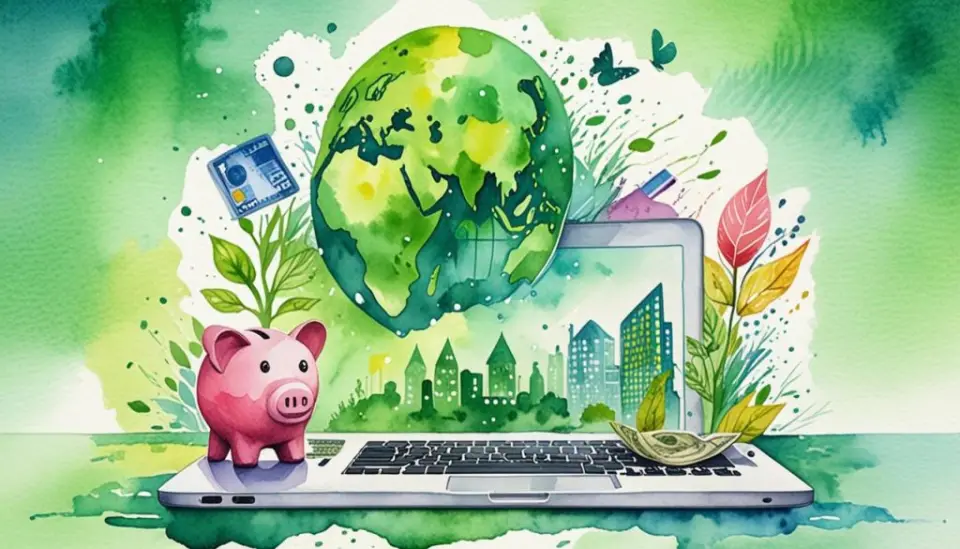
A Shift Towards Sustainable Banking Practices
As the global economy grapples with the escalating challenges of climate change, there is a concerted effort across various sectors to implement sustainable practices. The financial sector, traditionally viewed as a significant contributor to environmental degradation, is now witnessing a transformative shift, particularly through the rise of online banks. These institutions leverage technology to not only enhance service efficiency but also to promote sustainability initiatives that resonate with both consumers and regulatory bodies.
Opportunities for Sustainability in Digital Finance
Digital finance is revolutionizing the way consumers interact with banking services, offering a plethora of opportunities to foster a more sustainable financial ecosystem. Key areas of impact include:
- Reduced Paper Usage: One of the most significant advantages of online banks is the reduction of paper-based transactions. The shift to electronic statements, digital signatures, and online communication minimizes the need for physical materials, leading to decreased deforestation and waste generation. For example, a single online banking transaction that eliminates paper corresponds to the preservation of trees crucial for carbon absorption.
- Energy Efficiency: Digital banking operations often employ energy-efficient technologies and green data centers. Many of these facilities utilize renewable energy sources such as wind and solar power. In Canada, where the government targets a 40-45% reduction in greenhouse gas emissions by 2030, the transition to energy-efficient banking practices aligns with national objectives. By reducing energy consumption, online banks can lower their carbon footprints significantly.
- Support for Renewable Projects: A growing number of online banks are directing funds to green investments, including wind, solar, and sustainable agriculture projects. By financing environmentally beneficial initiatives, these institutions not only contribute to ecological sustainability but also tap into lucrative markets as consumer interest in green products surges. For instance, some Canadian banks are now offering ‘green mortgages’ with preferential rates for energy-efficient homes, thereby encouraging sustainable living practices among customers.
The Canadian Context
In Canada, the emphasis on integrating sustainability into banking practices is especially pertinent. Financial institutions face mounting pressure to align their operations with the country’s ambitious climate targets. The Canadian government, supported by international commitments such as the Paris Agreement, is advocating for greater accountability in reducing carbon emissions across all sectors, including finance. This regulatory landscape creates a fertile ground for online banks to emerge as leaders in sustainable finance.
Moreover, today’s consumers are more environmentally conscious than ever. Many Canadians are actively seeking out financial products that reflect their values, prompting online banks to innovate continuously and adapt their service offerings. By embracing sustainable finance, these institutions not only fulfill their corporate social responsibilities but also position themselves competitively in the market.
In conclusion, the advent of online banking represents a significant opportunity for the financial sector to contribute to sustainability goals. As they continue to adopt and enhance environmentally friendly practices, online banks can pave the way for a comprehensive transformation in how financial services are delivered and perceived, leading to a greener future for Canada and beyond.
Innovative Practices Driving Sustainability in Online Banking
Online banks are pioneering innovative practices that significantly contribute to sustainability in the financial sector. By leveraging technological advancements, these institutions are redefining traditional banking models and integrating sustainable principles into their core operations. Here are several notable practices that illustrate how online banks are leading the charge towards a greener financial landscape:
- Carbon Offsetting Initiatives: Many online banks have begun offering carbon offset programs, allowing customers to contribute to projects that reduce greenhouse gas emissions. By integrating these initiatives into their services, banks not only enhance their corporate responsibility but also empower customers to take an active role in combating climate change. For example, customers may choose to offset their carbon footprint associated with everyday banking activities, such as using debit or credit cards for purchases.
- Smart Financial Tools: Online banks provide customers with access to advanced financial management tools that promote sustainability. Features such as budgeting applications and sustainability trackers help users make informed decisions about their spending and investments. These tools can highlight eco-friendly products or services, encouraging consumers to support sustainable businesses.
- Loans for Green Energy Solutions: Some online banks specifically offer loans for renewable energy installations, such as solar panels or electric vehicle charging stations. By providing favorable financing terms for green projects, these institutions encourage individuals and businesses to invest in eco-friendly technologies. This not only contributes to energy efficiency but also assists in the transition towards a low-carbon economy.
The implementation of these practices not only aligns with the global push for sustainable development but also reflects a growing recognition that environmentally responsible banking can lead to financial performance benefits. Investors are increasingly seeking opportunities that meet sustainability criteria, prompting online banks to adapt their portfolios to attract this demographic.
Furthermore, online banks often utilize digital communication channels to educate customers about sustainability. Through newsletters, webinars, and dedicated content on their platforms, banks can raise awareness about the importance of sustainable practices and encourage responsible financial behavior. For instance, they may share insights on the economic benefits of green investments or provide educational resources on how to reduce one’s carbon footprint.
With regulations fostering sustainability, the role of online banks is becoming increasingly pivotal. In Canada, the regulatory framework includes policies that encourage financial institutions to disclose their exposure to climate-related risks and promote sustainable lending practices. As online banks comply with these regulations, they enhance their reputations, attract socially conscious consumers, and create a competitive edge in the market.
In summary, online banks are uniquely positioned to drive the sustainability agenda forward. By adopting innovative practices and aligning their operations with environmental goals, these institutions not only fulfill their obligations to corporate responsibility but also foster a culture of sustainability among their customers. The continued evolution of digital finance offers immense potential for creating a greener future, marked by sustainable banking practices that benefit both the planet and society as a whole.
Enhancing Financial Literacy and Sustainability Awareness
Beyond innovative banking practices, online banks play a crucial role in enhancing financial literacy and promoting sustainability awareness among their customers. The integration of educational resources into banking platforms not only cultivates a more informed customer base but also reinforces the principles of sustainable finance.
Educational Content on Sustainable Investing: Many online banks provide resources tailored to educate customers about sustainable investing. This includes articles, guides, and interactive tools related to Environmental, Social, and Governance (ESG) criteria. By enabling customers to understand the importance of these factors in investment decisions, banks are equipping individuals to make choices that align with their values while also promoting positive environmental impact.
Engagement through Interactive Platforms: Online banks often utilize user-friendly digital platforms that foster customer engagement through gamification and interactive learning. Features such as quizzes, financial health assessments, and simulations related to sustainability enable customers to actively participate in their learning journey. This interactive approach not only enhances understanding but also instills a sense of ownership regarding financial and environmental decision-making.
Partnerships with Sustainable Organizations
To amplify their impact, many online banks are forming partnerships with non-profit organizations and sustainability-focused initiatives. These collaborations can yield various benefits:
- Co-branded Initiatives: Online banks often co-create products or services in conjunction with sustainable organizations. For instance, a bank might collaborate with an environmental charity to offer unique account options that channel a portion of account holders’ fees into impactful projects such as reforestation or wildlife conservation.
- Community Investment Programs: By funding local projects that emphasize sustainable community development, banks can contribute directly to environmental resilience. Support for green infrastructure projects, community gardens, and local renewable energy initiatives can create tangible benefits for neighborhoods, fostering a stronger connection between the bank, its customers, and their communities.
Technological Innovation for Environmental Impact: Online banks are also investing in technology that furthers sustainability. For example, the adoption of blockchain technology can enhance transparency in transaction processes, allowing customers to trace the environmental impact of their investments. Blockchain can facilitate traceability in supply chains, ensuring that funds are directed toward genuinely sustainable projects.
Accountability through Emission Reporting
As regulatory pressures increase, online banks are beginning to adopt practices that enhance transparency in their sustainability efforts. Emission reporting, for instance, allows customers to see the carbon footprint associated with their banking activities. By providing data on the environmental impact of financial products, banks can help customers make informed choices regarding their financial activities, whether those involve credit cards, investment portfolios, or loans.
Engaging in Green Certifications: Many online banks are actively pursuing green certifications such as the Green Business Bureau accreditation or the World Wildlife Fund’s (WWF) certification for sustainable practices. Attaining these certifications not only strengthens a bank’s reputation but also assures customers that their financial institution prioritizes sustainability.
Through these expanded engagements, online banks not only fulfill their responsibilities as financial institutions but also actively contribute to the establishment of sustainable finance as a normalized approach within the Canadian banking system. These efforts unite customers around the shared goal of a greener tomorrow, ultimately fostering a more sustainable economy that benefits all stakeholders involved.
Conclusion
In conclusion, online banks represent a transformative force in the pursuit of sustainability within the financial sector. By leveraging digital innovations, these institutions not only offer efficient and convenient banking solutions but also pave the way for a more environmentally conscious economy. Their commitment to enhancing financial literacy and sustainability awareness empowers customers to make informed decisions that align with green values, ultimately driving demand for sustainable investment options.
The partnerships forged between online banks and sustainability-focused organizations amplify these efforts, creating co-branded initiatives that generate tangible impact on local communities and ecosystems. Furthermore, through technological advancements such as blockchain, banks can enhance transparency and promote responsible financial practices, ensuring that funds are directed toward projects with legitimate environmental benefits.
Moreover, accountability measures like emission reporting and the pursuit of green certifications highlight a growing recognition among online banks of their role in combating climate change. As Canadian consumers increasingly prioritize sustainability, online banks that integrate these practices into their business models will not only gain a competitive edge but will also play a critical part in shaping a greener financial future.
Ultimately, the path toward a sustainable economy requires collaboration among various stakeholders, and online banks are uniquely positioned to lead this charge. By fostering a culture of sustainability in financial services, they contribute significantly to building a resilient and eco-friendly economic landscape that will benefit future generations.
 Online Banking Security: How to Protect Your Finances in the Digital Age
 The Revolution of Online Banks: How Technology Is Transforming the Financial Experience of Canadians
 The future of banking services: trends in online banks for 2024 and beyond
 Comparison between traditional banks and online banks: which is the better option for Canadians?