Developing Engaging Narratives: The Importance of Story in the Roblox Studio
Storytelling is crucial in Roblox Studio, enhancing player engagement and emotional connection. By developing relatable characters, establishing clear plots, and using immersive dialogues and environmental storytelling, developers can create captivating narratives that enrich gameplay, foster player investment, and promote exploration within the game world.

Understanding the Importance of Storytelling in Games
Storytelling is an essential component of game design in Roblox Studio. It not only provides context for gameplay but also enriches the player’s experience, making it a fundamental part of game development. Effective storytelling can transform a simple game into a captivating journey that players want to return to time and again.
- Player Engagement: A well-crafted narrative captivates players, encouraging them to delve deeper into the game’s world. For instance, a game set in a post-apocalyptic environment with a compelling backstory can lead players to explore every nook and cranny to uncover the secrets behind their world.
- Emotional Connection: A strong narrative fosters emotional ties between players and characters. Players often invest their feelings in characters they relate to or empathize with. For example, if a character is on a quest for redemption after a tragic event, players will likely root for their success, deepening their engagement.
- Game Mechanics: Integrating storytelling with gameplay mechanics can lead to a seamless experience. For example, using an evolving story that dynamically alters gameplay challenges can keep players on their toes and enhance their overall experience.
Practical Steps for Effective Storytelling
To harness the potential of storytelling in your Roblox Studio projects, follow these actionable steps:
- Define Your Characters: Develop characters that players can relate to by giving them distinct personalities and backstories. Incorporate diverse traits that reflect real-world complexities, ensuring that players feel a connection.
- Establish a Clear Plot: Outline the main conflict and objectives to maintain focus throughout your game. For example, create a plot where players must save their community from an impending disaster, providing clear goals that drive gameplay.
- Use Dialogue and Cutscenes: Implement dialogues and cutscenes effectively to reveal story elements. Engaging cutscenes at pivotal moments can enhance the narrative and build excitement. Consider using voice acting to bring dialogue to life, adding another layer of immersion.
Conclusion
By concentrating on character development, plot clarity, and the use of dialogues and cutscenes, you can create engaging narratives that enhance the gaming experience in the Roblox community. Implementing these techniques not only increases playtime but also fosters player satisfaction, ultimately leading to the success of your projects.
Crafting Compelling Stories in Roblox Studio
Creating an engaging narrative begins with understanding the key elements that contribute to storytelling in Roblox Studio. By focusing on character depth, plot structure, and immersive dialogues, developers can significantly enhance the gaming experience. These elements not only hook players but also make them invested in the outcomes of their decisions, thereby increasing replayability.
Character Development
Your game’s characters form the foundation of the narrative. To ensure players connect with them, consider the following:
- Backstory Creation: Give each character a distinct backstory that informs their motives and personality. For example, a character who grew up in a small Canadian town and dreamed of adventure can create relatable emotional ties for players with similar backgrounds. This background should include their past experiences, challenges faced, and the drives that propel them forward in the game.
- Diverse Traits: Avoid one-dimensional characters by incorporating diverse traits and complexities. For instance, a character who is both courageous and fearful can resonate on a deeper level, reflecting the multifaceted nature of human emotions. Such complexity not only makes characters more believable but also enhances player engagement through their struggles and triumphs.
- Growth Arc: Design characters that evolve throughout the game. A character who learns from their mistakes or confronts their fears can transform the narrative into a compelling journey. This growth arc could involve overcoming personal challenges or building relationships with other characters, making the story more engaging and relatable.
Establishing a Dynamic Plot
A well-defined plot is crucial in guiding players through the game’s storyline. Here are essential steps to create an engaging plot:
- Main Conflict: Clearly outline the central conflict that drives the narrative. For example, if players must thwart an evil rival threatening their community, introduce various obstacles they must overcome to enhance tension. This conflict sets the stage for the player’s journey and keeps them invested.
- Objectives and Goals: Provide players with clear objectives that direct their actions. You could develop quests that revolve around rescuing allies, gathering resources necessary for survival, or uncovering important secrets about the game world. Each objective should progress the plot and provide rewarding experiences.
- Pacing and Flow: Ensure that the plot unfolds at an appropriate pace. Introduce challenges gradually, allowing for moments of relief—such as character development scenes or exploratory tasks—to balance the overall narrative arc. This mixture of tension and relief maintains player interest and enjoyment.
Integrating Dialogue and Cutscenes
Dialogue and cutscenes play a crucial role in immersing players in the story. Consider the following:
- Natural Dialogue: Write dialogues that feel authentic and character-driven. This approach not only helps convey personality and backstory but also keeps players engaged. Ensure that conversations reflect the characters’ unique voices and perspectives, which adds depth to their interactions.
- Strategic Cutscenes: Use cutscenes to highlight significant moments in the narrative. These can include pivotal twists, emotional character interactions, or climactic battles that deepen the player’s connection to the story and characters. Thoughtfully placed cutscenes can elevate the overall narrative experience.
- Voice Acting: Incorporate voice acting to add depth to your dialogues. This technique can bring characters to life, making their emotions and intentions clearer to players. Effective voice acting can greatly enhance immersion, fostering a more engaging storytelling experience that resonates with players.
By focusing on these critical aspects of storytelling—character development, dynamic plotting, and engaging dialogues—developers can construct narratives that resonate with players and keep them invested in their Roblox Studio creations. A well-told story not only entertains but also engages players on a deeper emotional level, ensuring their continued interest and participation in your game world.
Enhancing Player Experience Through Environmental Storytelling
While character and plot development are integral to engaging narratives, environmental storytelling serves as a critical component that enriches the gaming landscape in Roblox Studio. By weaving narrative elements into the game world itself, developers can create a more immersive experience. Here are some practical techniques to enhance storytelling through the environment:
Utilizing Visual Cues
Design environments that communicate story elements without explicit narration. Consider the following:
- Landmarks and Architecture: Use unique visual features that reflect the game’s history or lore. For example, a barren battlefield littered with remnants of past conflicts can convey a sense of struggle and loss, prompting players to explore and engage with the backstory.
- Textures and Colors: The use of specific textures and colors can signal different emotions or themes. A dark, moody forest might suggest danger or mystery, while a bright, vibrant town could evoke a sense of safety and community. Understanding color psychology can effectively enhance the narrative atmosphere.
- Props and Items: Include objects scattered throughout your game that tell stories on their own. A forgotten diary on a table can prompt curiosity about its owner, while an empty weapon rack can hint at battles fought in the area. These details can create deeper connections to the story world.
Creating Dynamic Environments
Dynamic environments that change in response to player actions can elevate narrative engagement significantly. Implement the following:
- Interactive Elements: Allow players to interact with certain elements in the environment that can impact the story. For instance, a player might decide to destroy a dam, leading to flooding that changes the landscape and unlocks new areas. This choice creates a ripple effect within the narrative.
- Environmental Changes: Design areas that evolve over time based on player decisions. If players liberate a town, the environment could shift from desolate to vibrant as NPCs return and rebuild. These transformations highlight the impact of player agency and enrich storytelling.
Embedding Lore in Quests
Quests are an effective method to intertwine storytelling and gameplay. To leverage quests for narrative development, consider these strategies:
- Layered Objectives: Design quests with multiple objectives that reference the main storyline. For example, players could gather artifacts that unlock chapters of the game’s lore as they progress, creating a richer understanding of the narrative context.
- Culturally Relevant Themes: Incorporate themes rooted in Canadian history or mythology. A quest centered around Indigenous legends could create a unique narrative experience that promotes cultural awareness while engaging players in meaningful ways.
- Character Interactions: Create side quests that allow exploration of supporting characters’ backstories. As players uncover the motivations and struggles of these allies, the main narrative becomes more compelling, enhancing their investment in the overall story.
By integrating environmental storytelling techniques—such as utilizing visual cues, creating dynamic environments, and embedding lore within quests—developers can build rich, immersive experiences in Roblox Studio. This multifaceted approach not only engages players through compelling narratives but also fosters a deeper connection to the game world, encouraging exploration and interaction beyond the main storyline.
Conclusion
In conclusion, the importance of storytelling in Roblox Studio cannot be overstated. A well-crafted narrative not only captivates players but also encourages them to invest emotionally in the game world. By integrating engaging characters, rich lore, and compelling environmental storytelling, developers can create experiences that resonate deeply with players.
Understanding your audience is essential; consider what themes or narratives will appeal to them and incorporate those elements in your game design. Effective use of visual cues, dynamic environments, and meaningful quests can significantly enhance the narrative experience. These strategies allow the game world to tell a story of its own, making exploration feel rewarding and engaging.
Furthermore, don’t overlook the power of player agency. Encouraging players to make impactful choices and witness the consequences can bolster their emotional investment and attachment to the narrative. As players navigate through the game’s story, they should feel like active participants rather than passive observers.
As you develop your games in Roblox Studio, remember that a strong narrative is key to creating memorable gaming experiences. By emphasizing storytelling alongside gameplay mechanics, you can foster a community of players who are not just gamers, but also storytellers who share their adventures with others. Embrace the art of storytelling, and watch as players immerse themselves in the incredible worlds you create.
 Exploring the Aesthetics of Studios: Design and Construction of Environments in Roblox
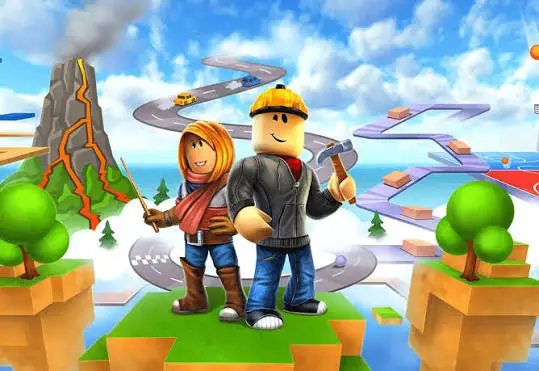 Creating Amazing Worlds: A Guide to Developing Roblox Games with Customized Avatars
 How to Create Unique Avatars in Roblox: Studio Tips for Customization and Style
 Multidisciplinary Studios: How Collaboration Between Different Sectors Is Transforming the Creative Industry